Your cart is empty.
Your cart is empty.
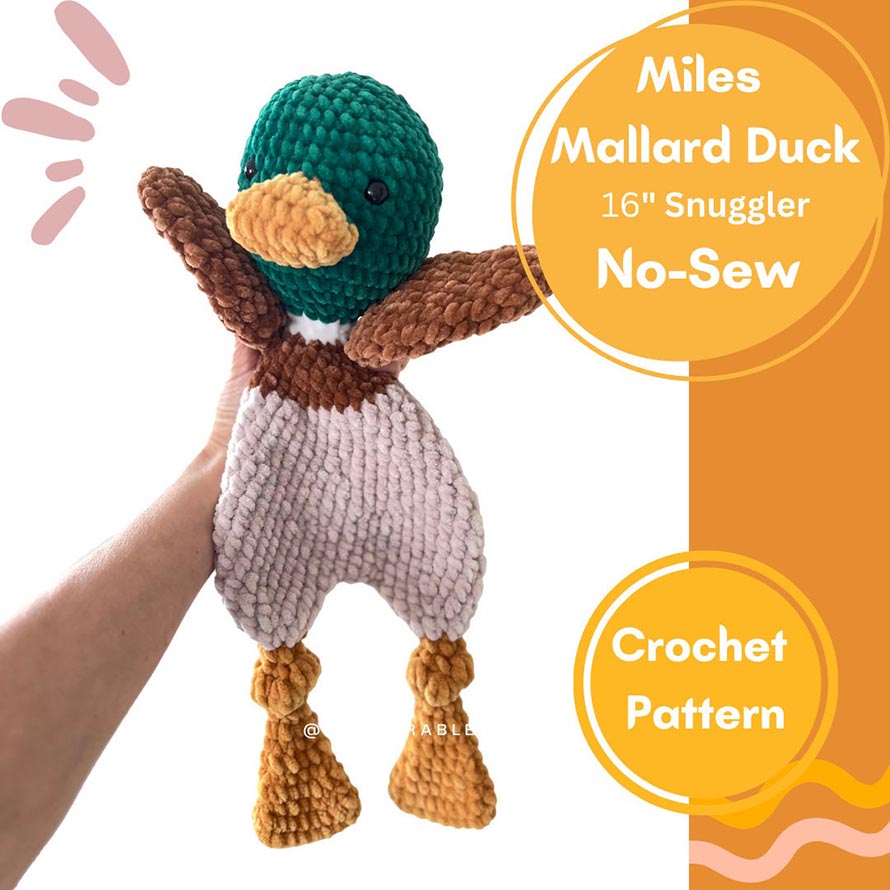
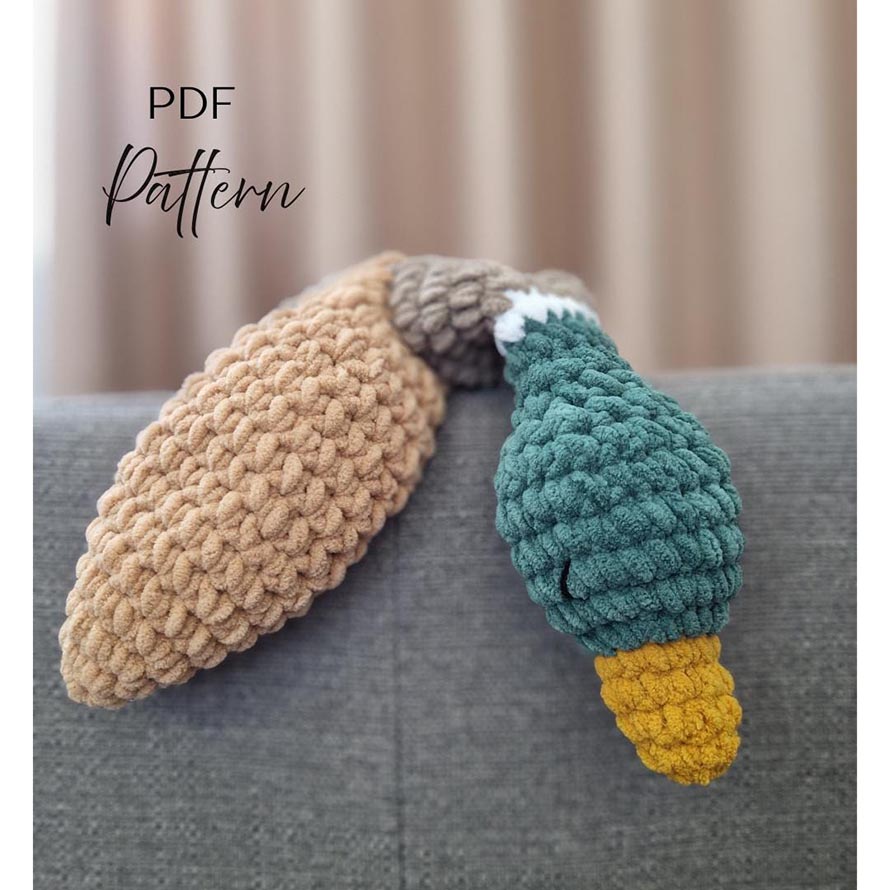
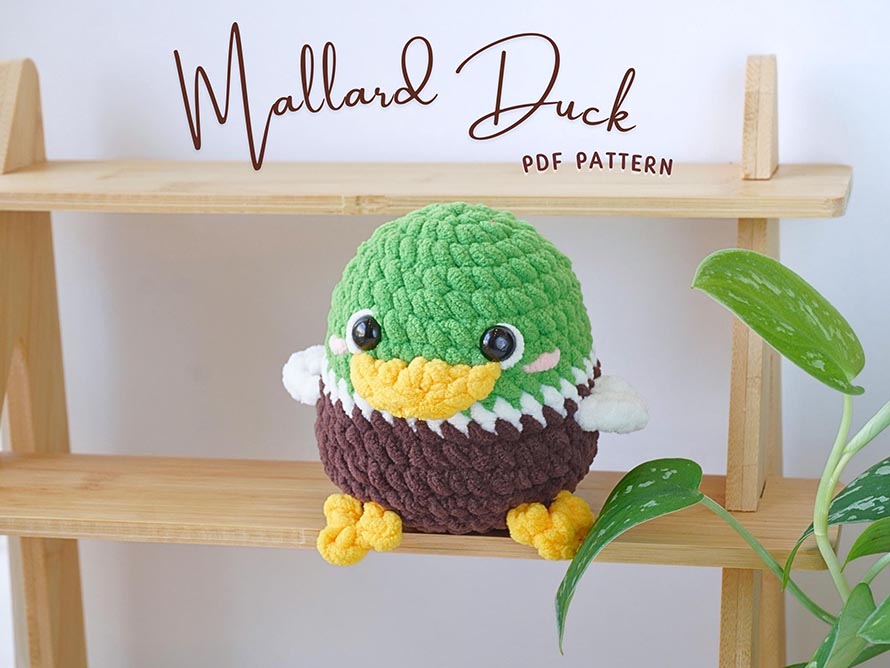
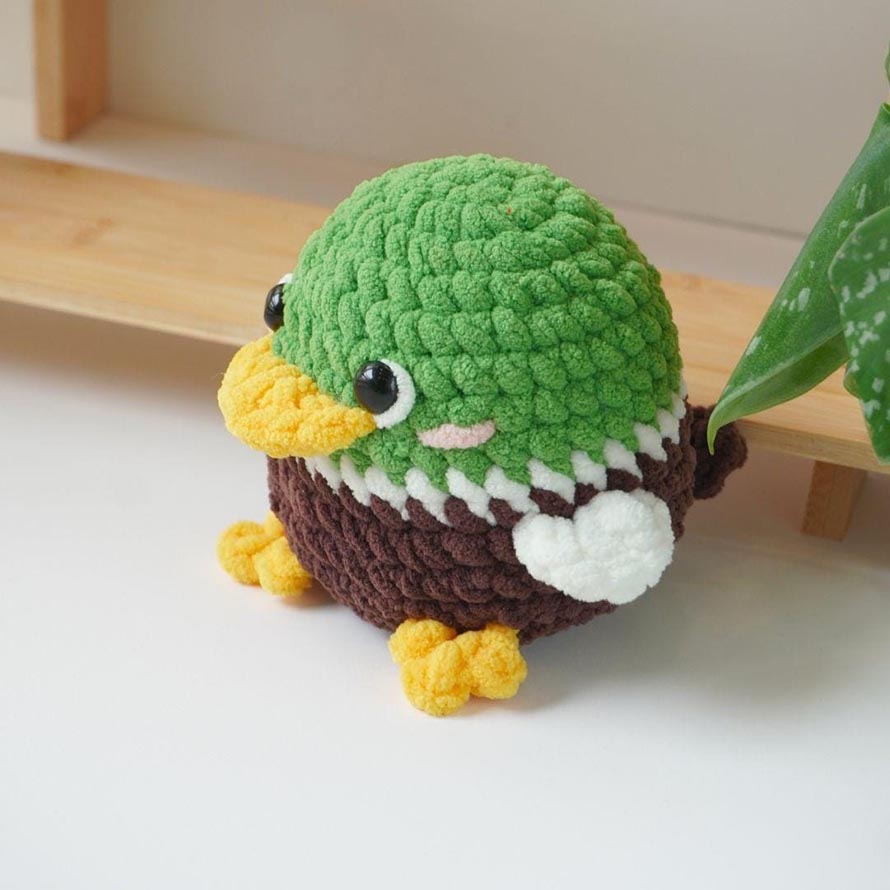
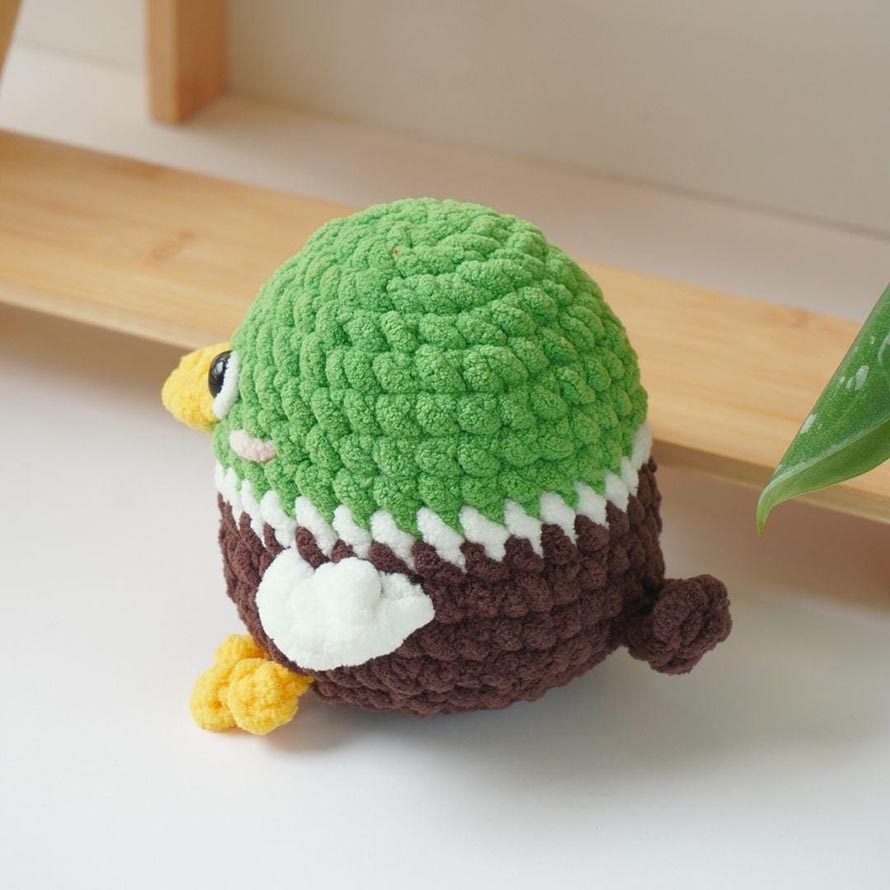
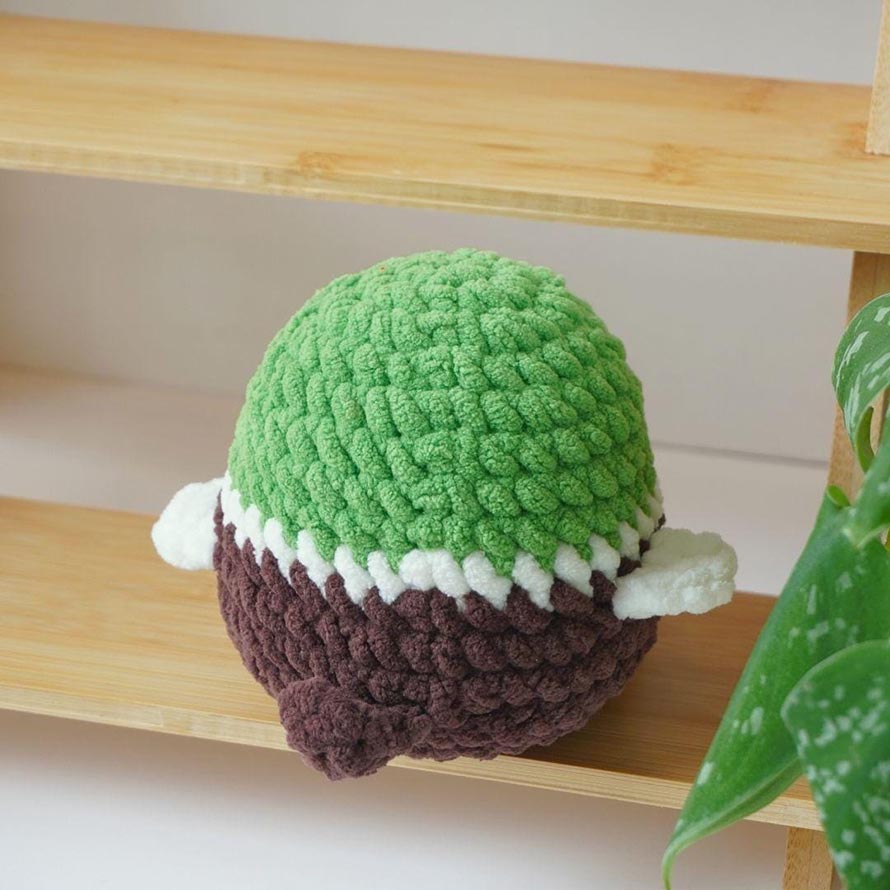
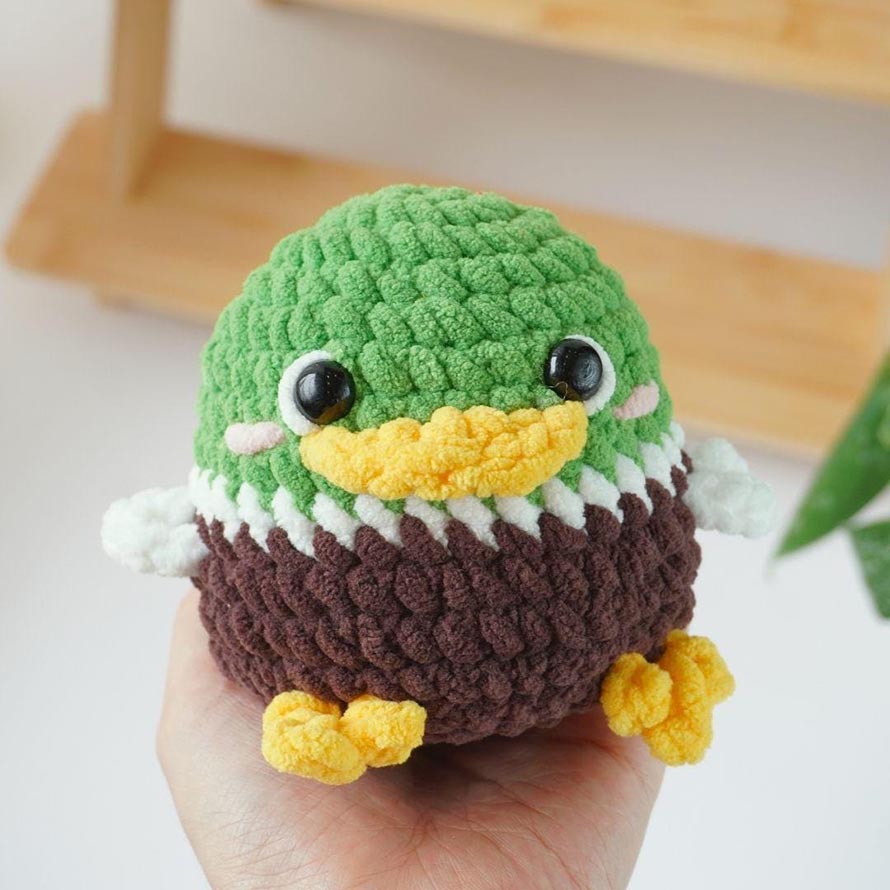
A crochet mallard duck pattern captures one of the most recognizable duck species through yarn, color placement, and carefully shaped amigurumi features. This collection focuses on patterns inspired by the mallard's characteristic green head, warm brown body, lighter breast, orange feet, and defined bill, while allowing for different interpretations ranging from simplified figures to more detailed bird designs.
As a crochet designer and curator, I selected these patterns because mallards offer much more visual variety than a basic duck silhouette. The contrast between the head and body creates opportunities for colorwork, while the wings, bill, feet, and tail give crocheters several separate components to practice shaping and assembly.
Some designs use a compact, rounded body with simplified features, making them approachable for beginners who are learning amigurumi construction. These patterns can provide practice with working in continuous rounds, maintaining even tension, stuffing the body, and adding basic wings, eyes, and feet.
More detailed designs can place greater emphasis on anatomical proportions and recognizable mallard coloring. Intermediate and advanced projects may involve separately crocheted wings, shaped bills, layered color sections, dimensional tails, or more carefully proportioned heads and bodies. These construction choices can produce a more naturalistic interpretation while still retaining the handmade character of crochet.
When comparing a crochet mallard duck pattern, examine how the colors are introduced. A contrasting green head can be created through separate color sections, color changes worked directly into the body, or additional crocheted pieces. Brown and cream tones can define the body, while orange or yellow details provide contrast around the feet and bill.
The silhouette of a crocheted mallard depends heavily on its smaller components. Broad or layered wings can give the bird a stronger profile, while a tapered bill creates a more recognizable duck shape. The tail can be rounded or pointed depending on the interpretation, and the feet can range from small simplified pieces to more defined shapes.
Eye placement also affects the character. Small safety eyes can maintain a clean amigurumi appearance, while embroidered eyes or additional facial details can create a more stylized or decorative result. These subtle differences make it worthwhile to browse several patterns before choosing one.
Although a rubber duck crochet pattern usually relies on a simple yellow silhouette, mallard-inspired crochet offers a very different design challenge. The emphasis shifts toward natural coloration, layered details, and recognizable bird proportions. This makes mallard patterns especially interesting for crocheters who want to explore animal amigurumi while working with more complex visual references.
Mallard patterns can also be useful for developing practical crochet skills. Switching between contrasting yarn colors encourages attention to stitch placement and tension, while assembling wings, feet, and bills requires accurate positioning. For advanced makers, these small components provide an opportunity to experiment with shaping without taking on the scale of a large realistic animal project.
This crochet mallard duck pattern selection gives you several ways to interpret the familiar wild duck through yarn. Browse the downloadable PDF crochet patterns, compare their colorwork, body proportions, construction methods, and difficulty levels, then choose a design that fits your experience and preferred balance between realistic bird features and traditional amigurumi styling.