Your cart is empty.
Your cart is empty.
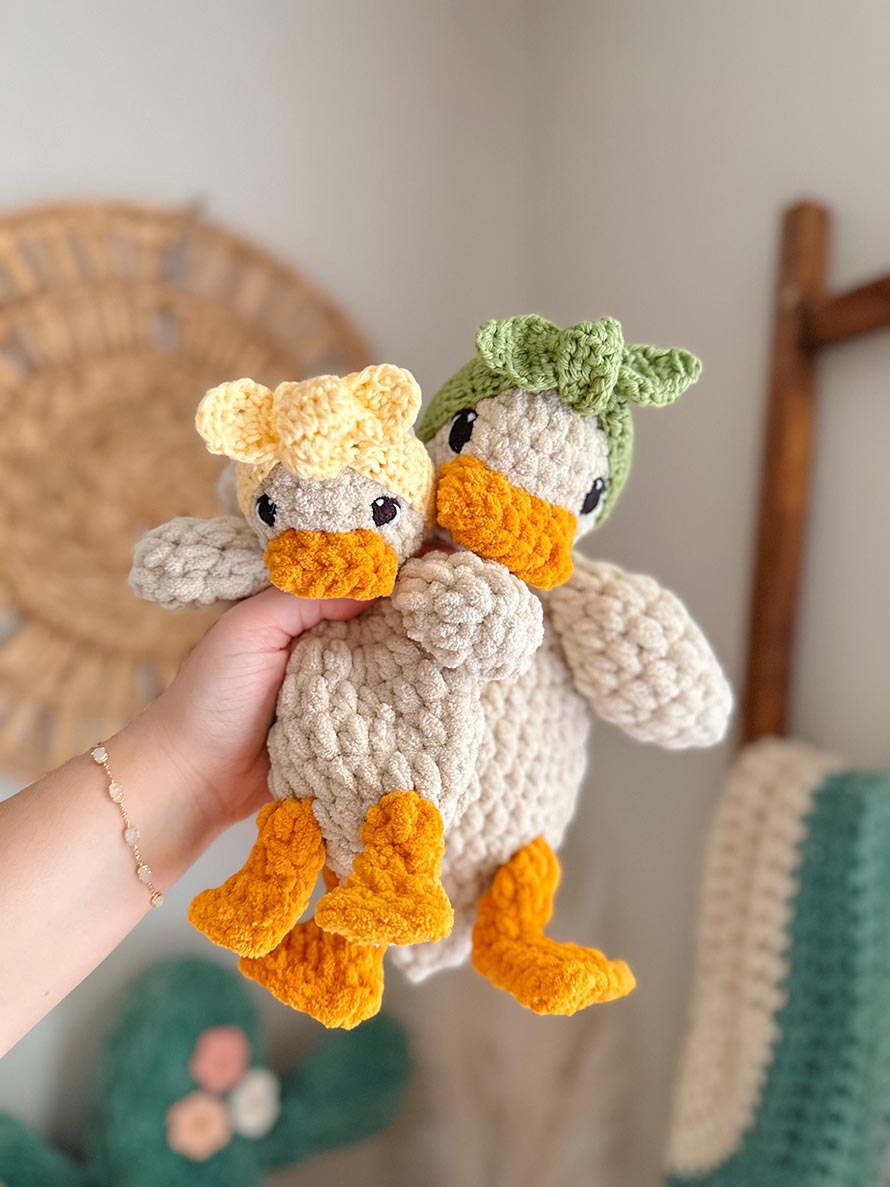
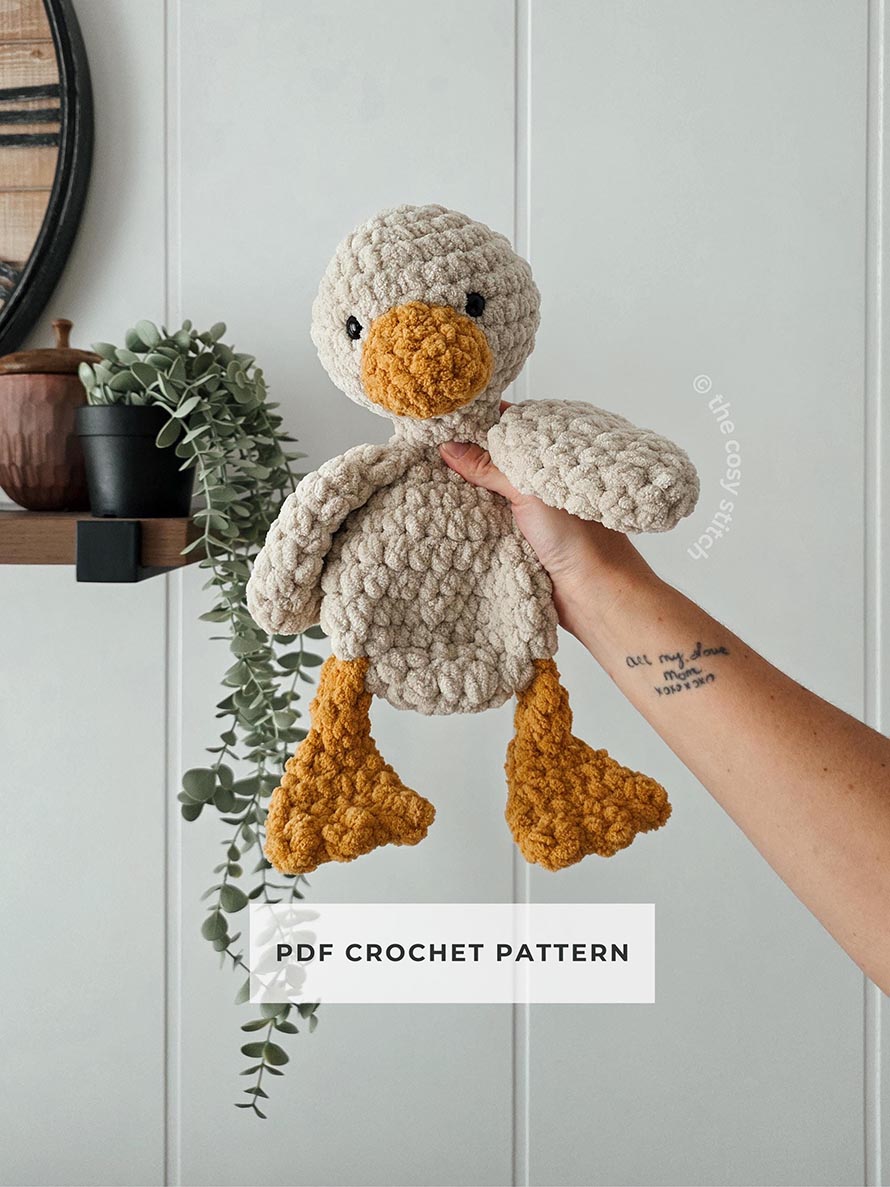
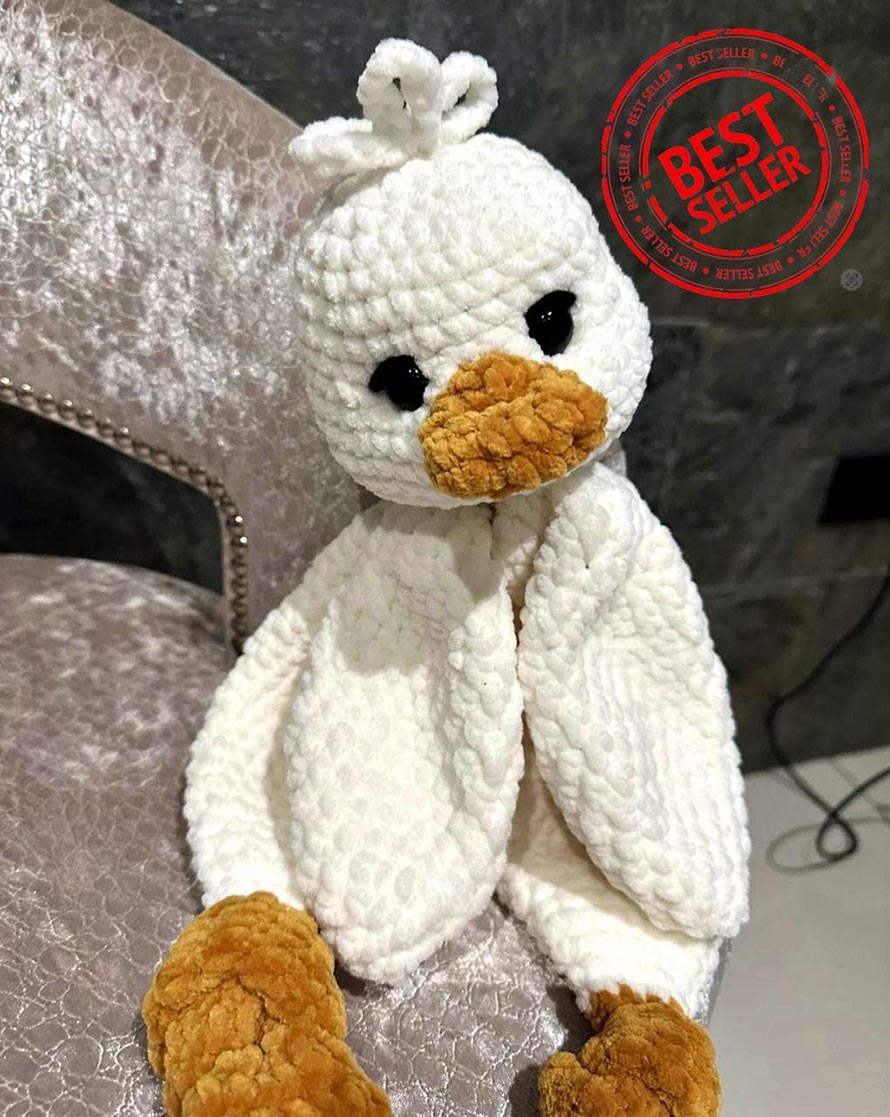
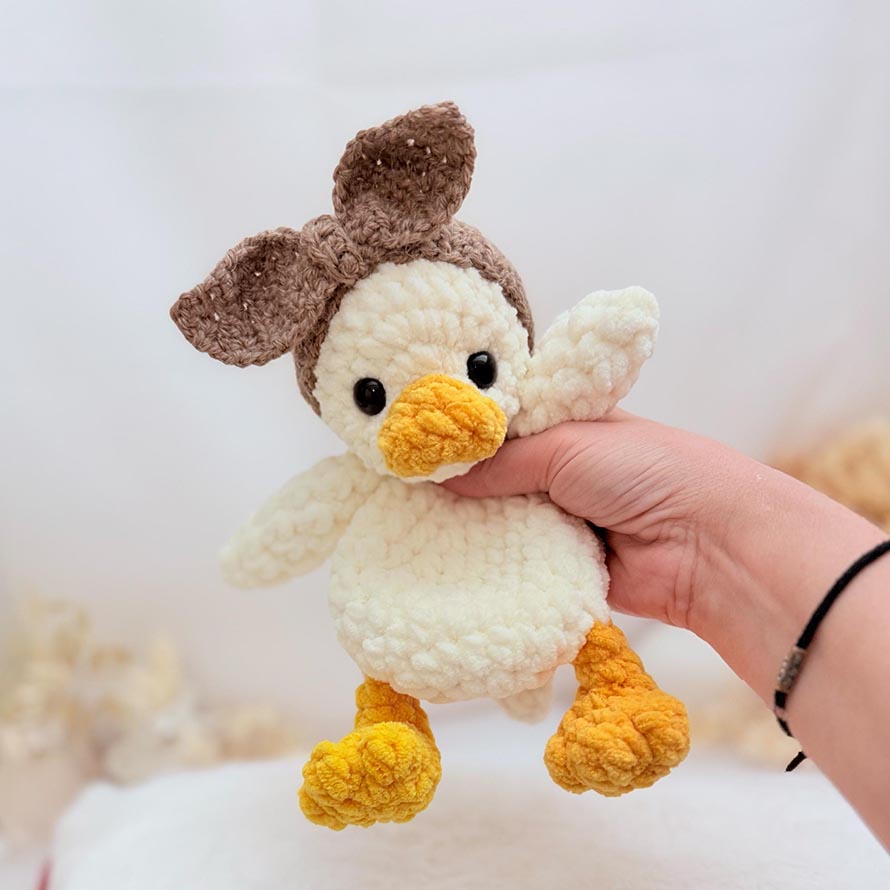
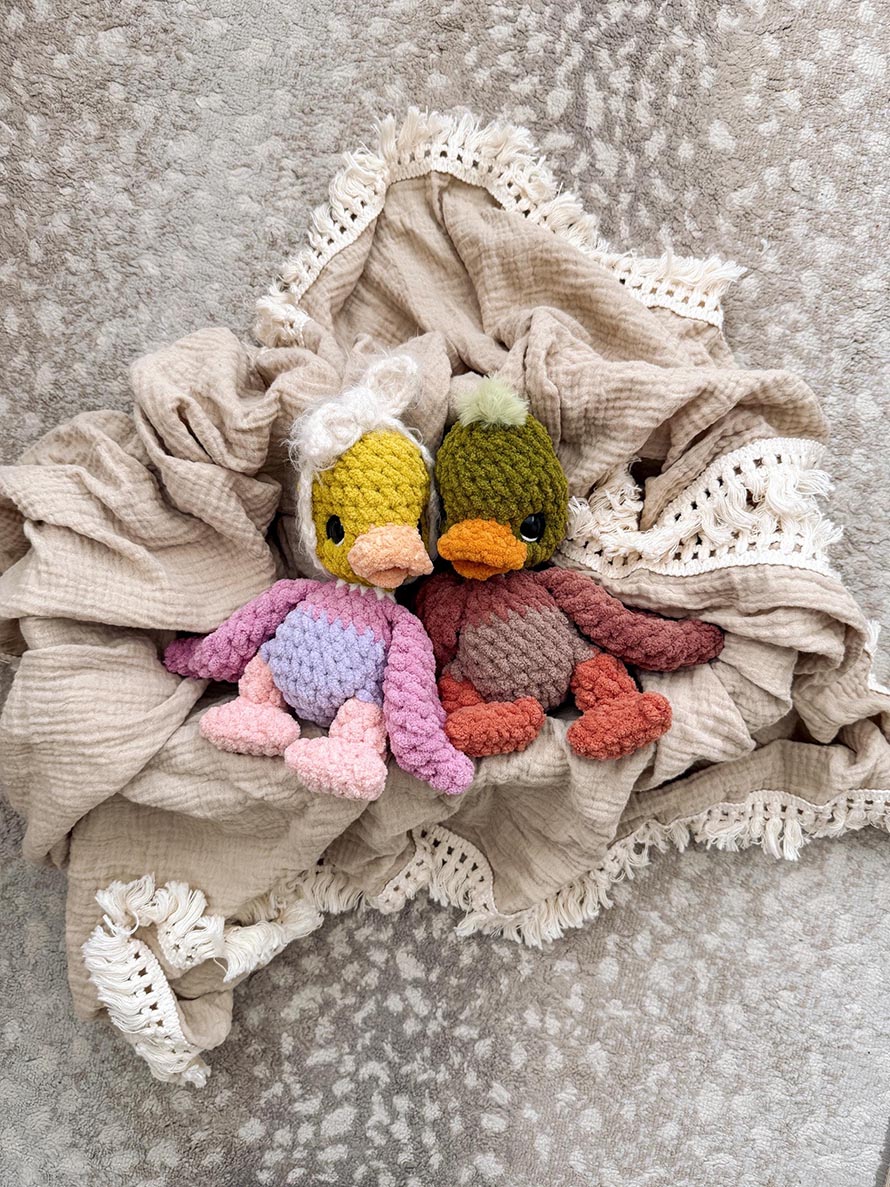
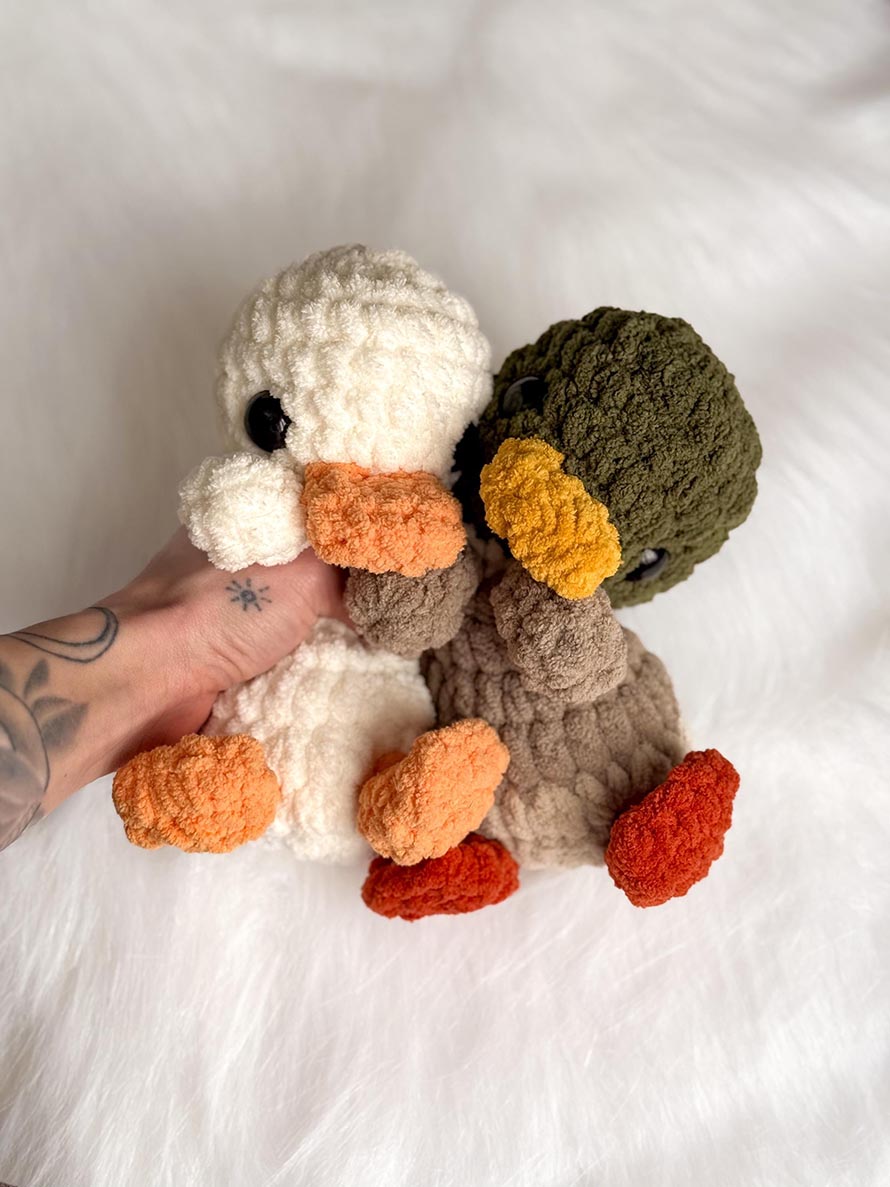
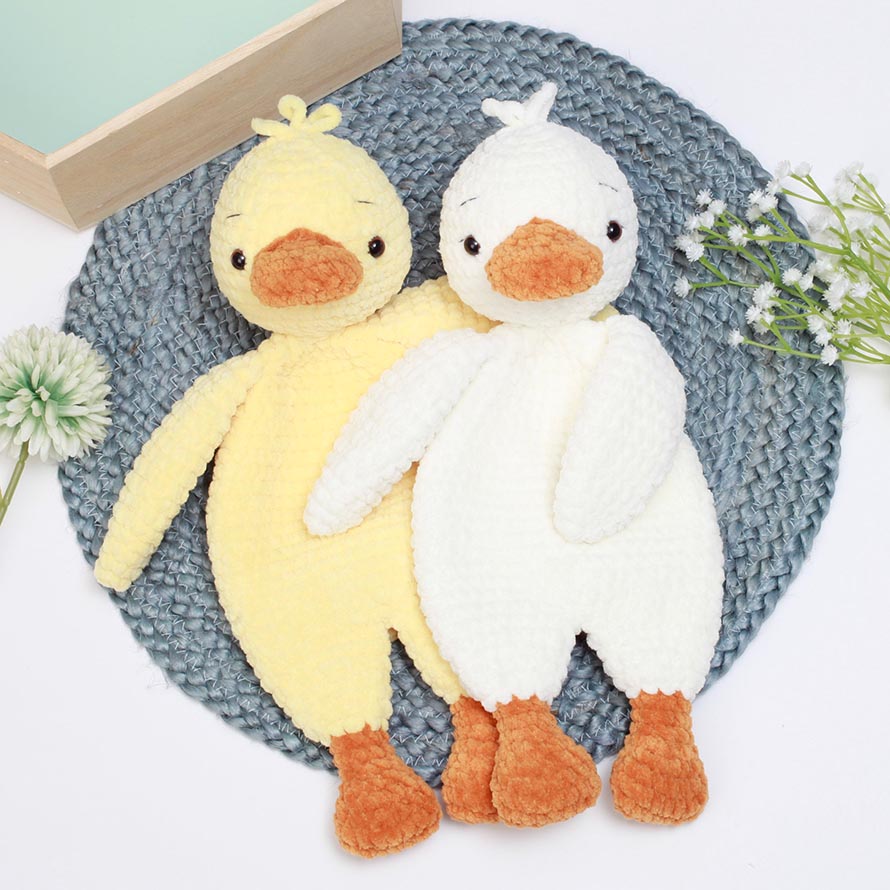
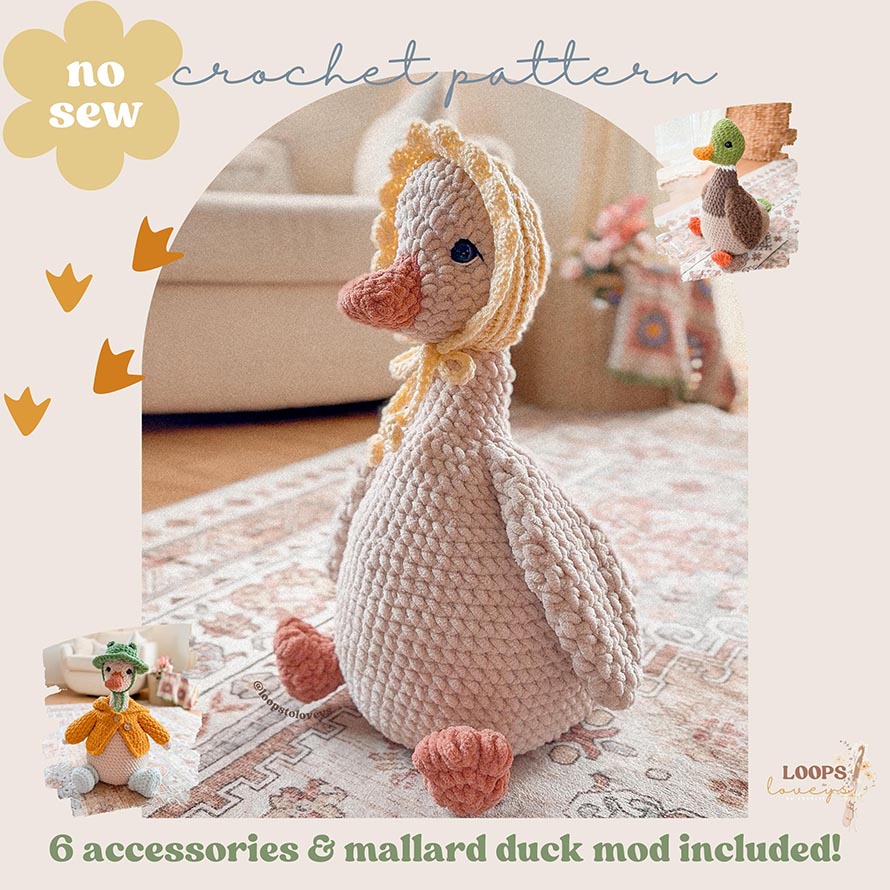
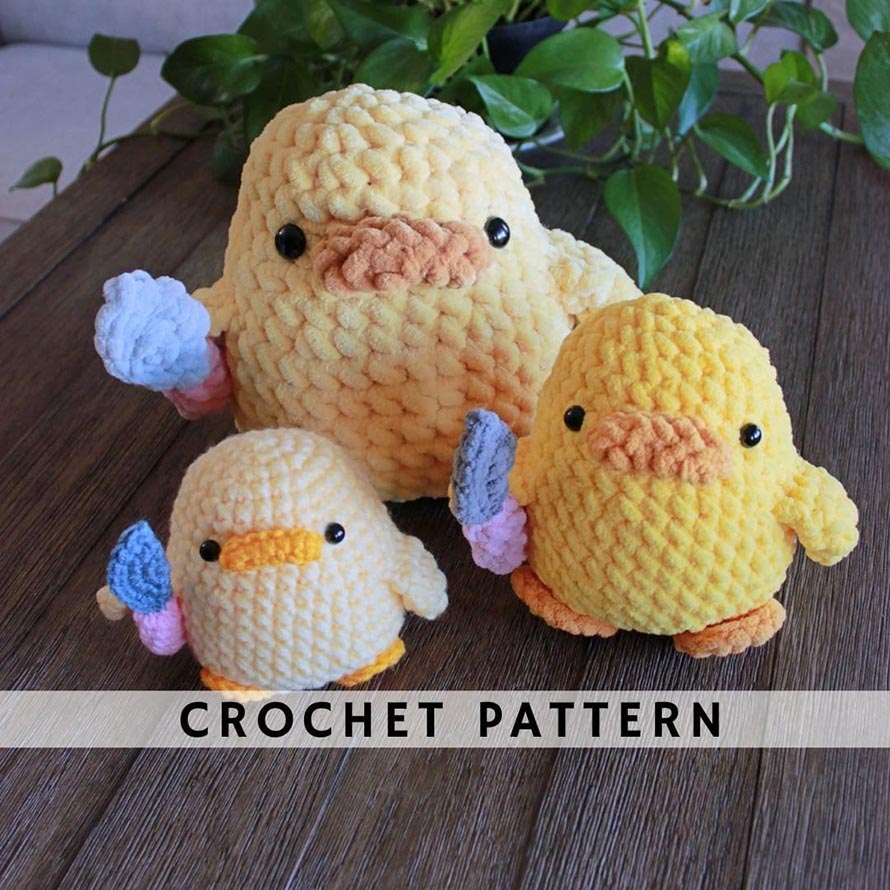
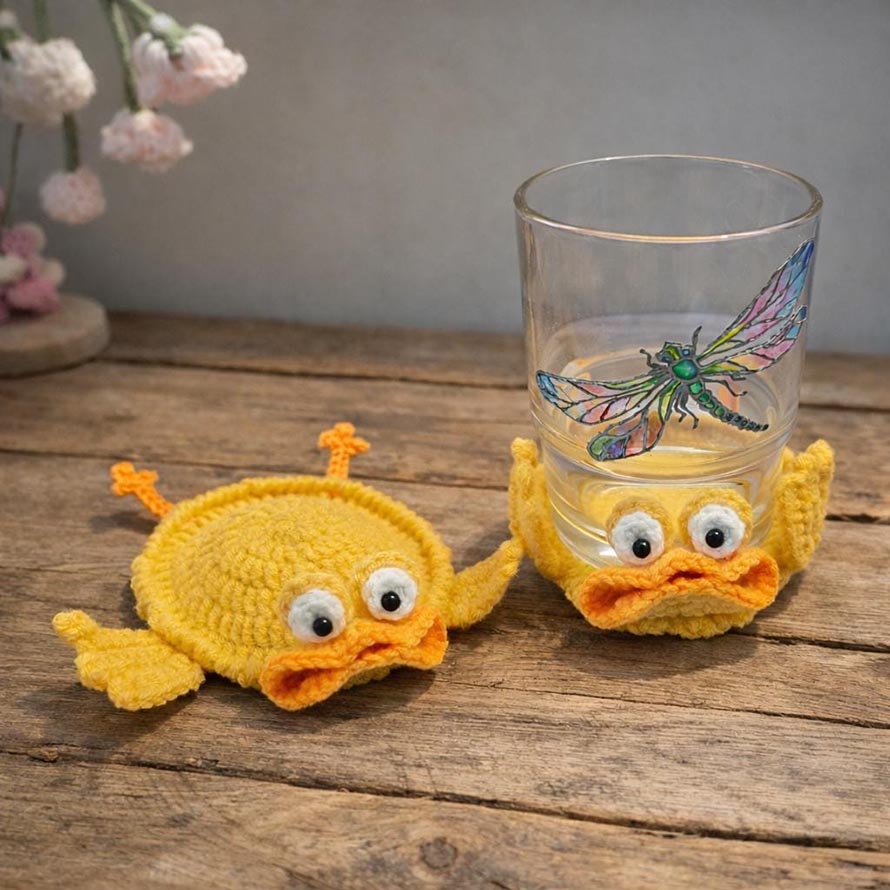
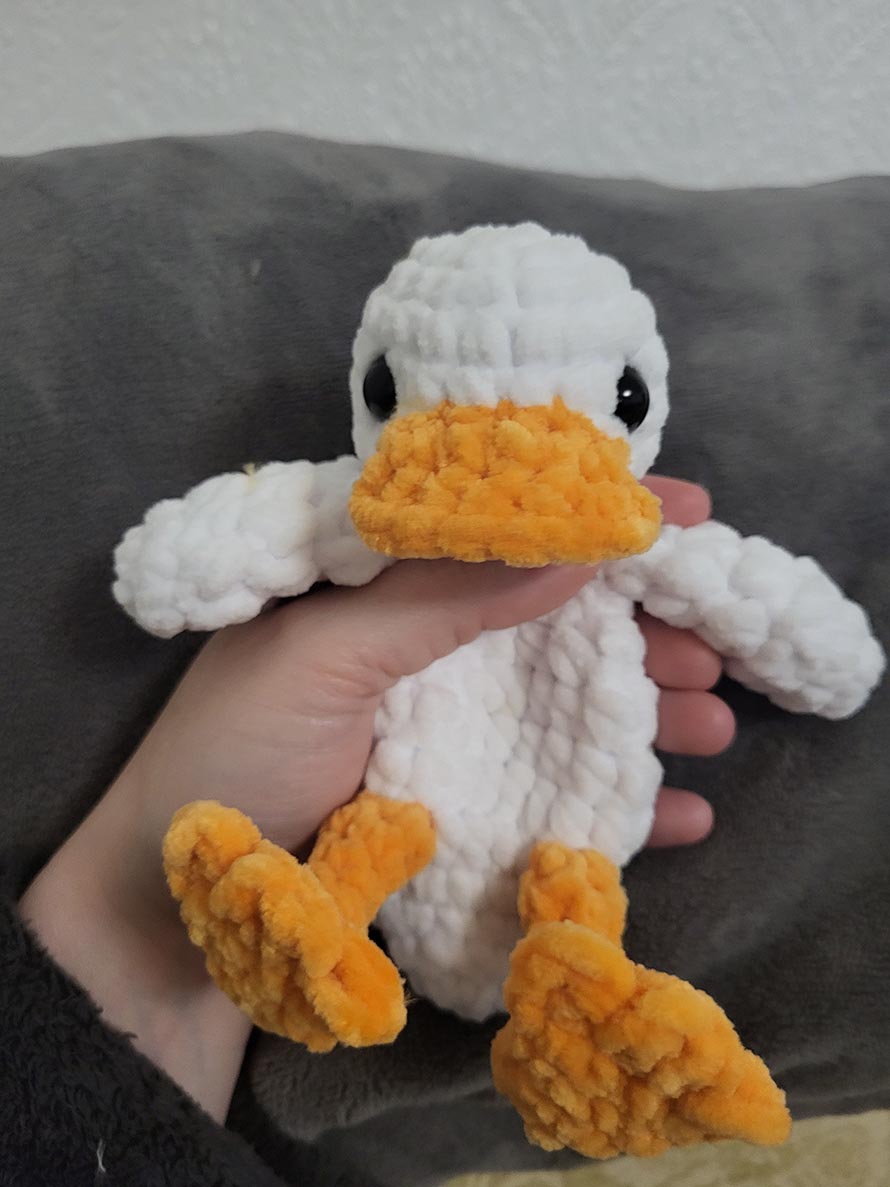
A duck lovey crochet pattern combines a small crocheted duck character with a soft blanket-style base, creating a project that is both decorative and practical. This collection brings together different lovey constructions, duck motifs, blanket shapes, and finishing styles so crocheters can compare designs before choosing one that suits their experience and intended use.
As a crochet designer and curator, I selected these patterns because loveys require a thoughtful balance between the character and the blanket. The duck needs enough definition to remain recognizable, while the blanket portion should maintain a comfortable, flexible drape. This combination makes duck loveys an interesting project for practicing both amigurumi techniques and flat crochet construction.
Lovey patterns can differ significantly in construction. Some designs begin with a crocheted blanket or center motif and attach the duck head or character to the middle. Others build the animal as a separate amigurumi component before joining it to a square, circular, or shaped blanket.
Beginner-friendly projects may use familiar stitches and straightforward blanket construction, making them suitable for crocheters who are comfortable with basic increases, decreases, and simple amigurumi shaping. More advanced patterns can introduce detailed duck features, layered components, textured blanket stitches, or more involved assembly.
When comparing a crochet duck lovey pattern, consider the blanket section as carefully as the duck itself. Square, round, and more character-shaped bases create different visual effects and may require different construction techniques. The size and drape of the blanket also affect how practical the finished lovey will be as a nursery accessory or handmade baby gift.
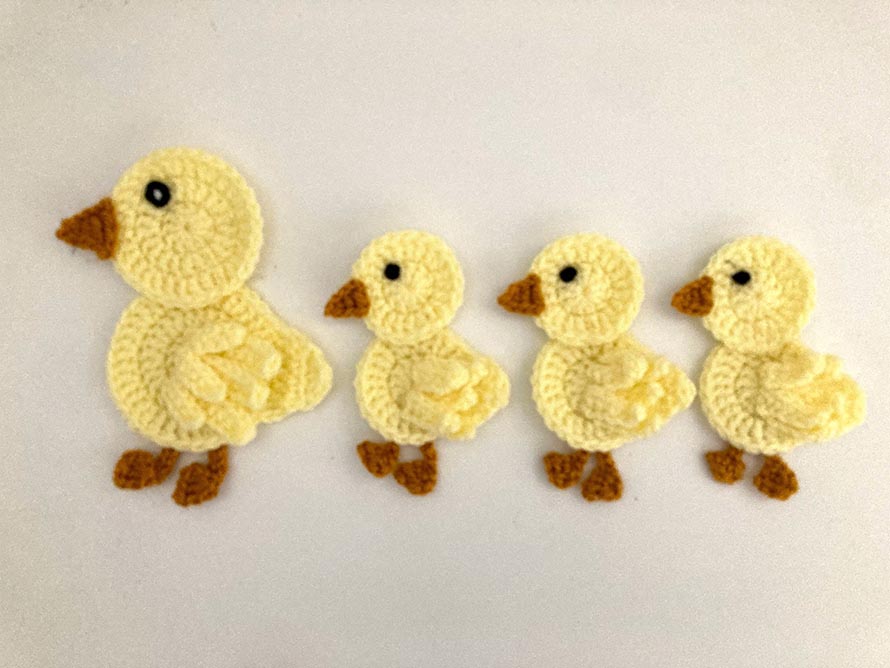
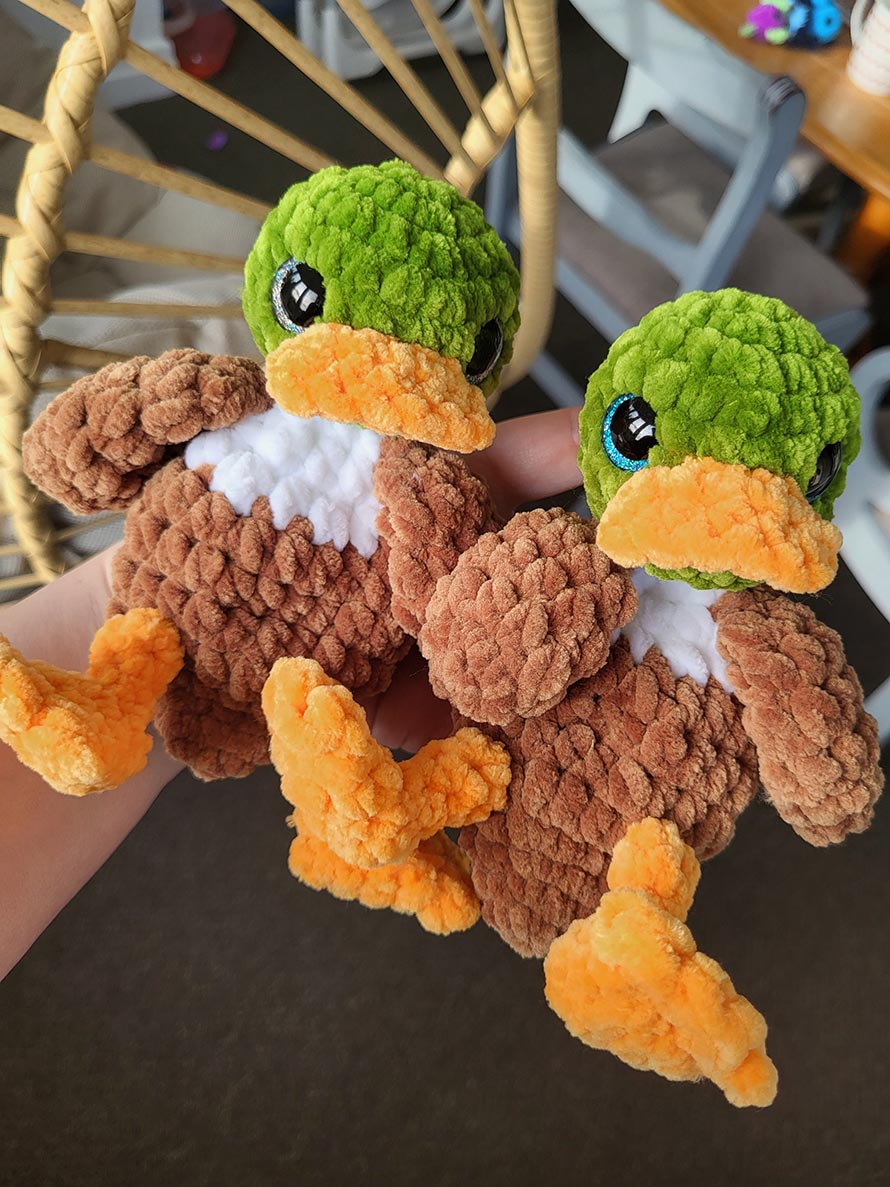
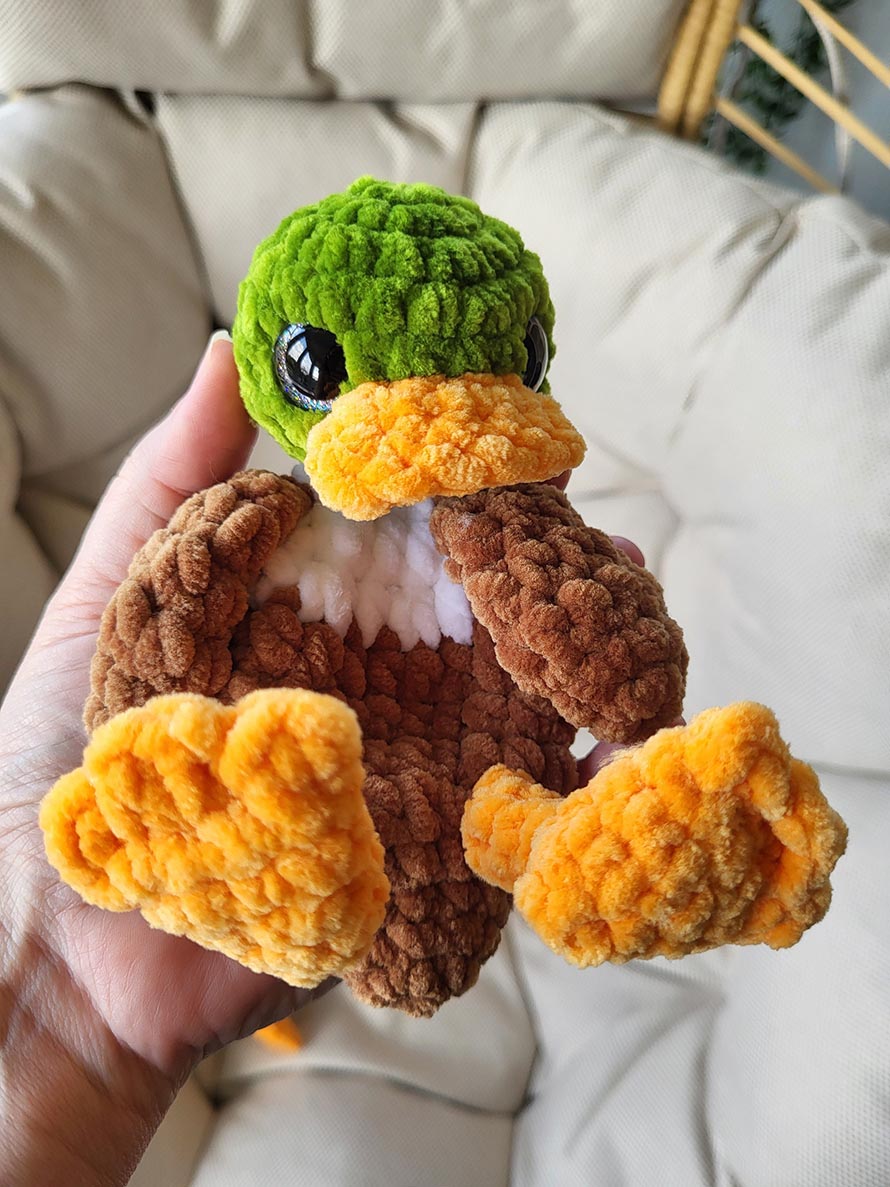
The duck's head is usually the focal point, so small details can have a significant effect on the finished design. A rounded bill, embroidered eyes, safety eyes, wings, or a contrasting head and body can create different interpretations of the same basic animal.
Color selection can also shift the character. Traditional yellow and orange combinations create a recognizable duck, while softer neutral shades can produce a more understated nursery aesthetic. Some patterns may emphasize the duck's face, while others incorporate additional details into the blanket to make the entire piece feel connected.
A lovey can be a useful project for crocheters who want to combine two different crochet disciplines. The blanket section encourages consistent tension across a larger surface, while the duck head introduces three-dimensional shaping through increases, decreases, stuffing, and facial placement.
Depending on the design, crocheters may also practice joining techniques, edging, appliqué, surface embroidery, and attaching small animal components securely. These skills make a duck lovey more involved than a basic flat blanket while keeping the overall project focused and manageable.
Duck-themed loveys naturally fit baby and nursery projects because the animal motif can be incorporated without overwhelming the soft blanket structure. A simple duck face can create a clean modern appearance, while more detailed amigurumi features can give the project a stronger character identity.
When selecting a downloadable pattern, consider the recommended yarn, hook size, finished measurements, and construction instructions. A printable pattern can make it easier to follow the blanket rounds or rows while keeping track of the separate duck components during assembly.
This duck lovey crochet pattern selection gives crocheters multiple ways to combine a familiar duck motif with a handmade blanket. Browse the PDF crochet patterns, compare blanket shapes, duck construction, skill levels, and finishing details, then choose a downloadable design that fits your crochet experience and the type of baby-focused project you want to make.