Your cart is empty.
Your cart is empty.
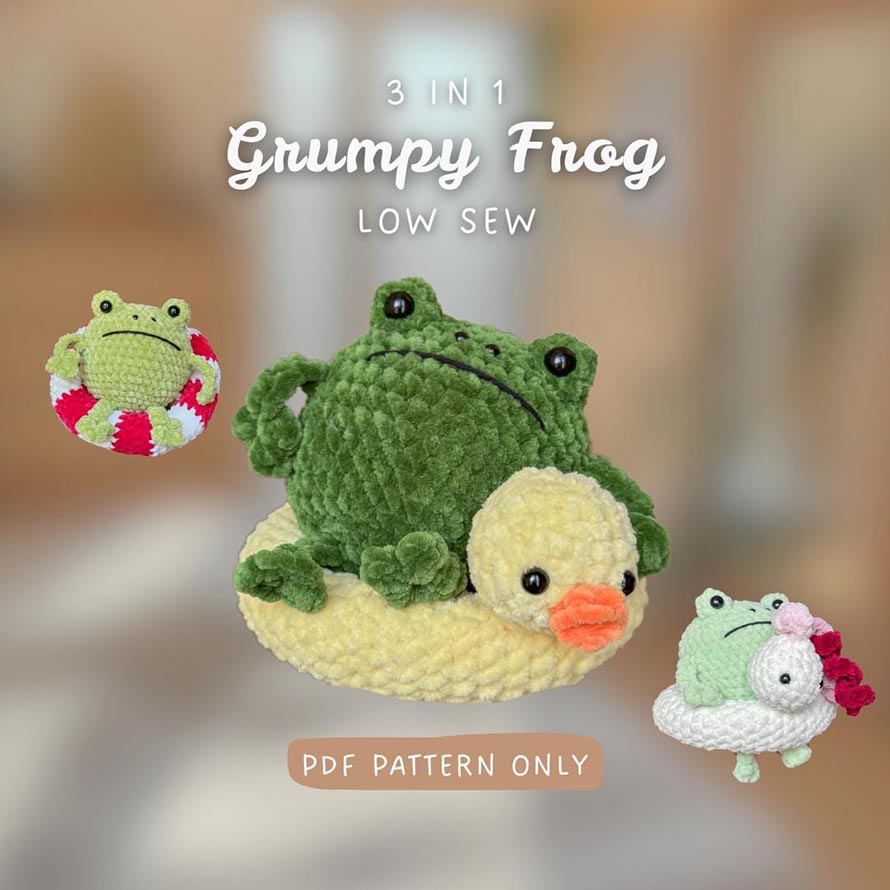
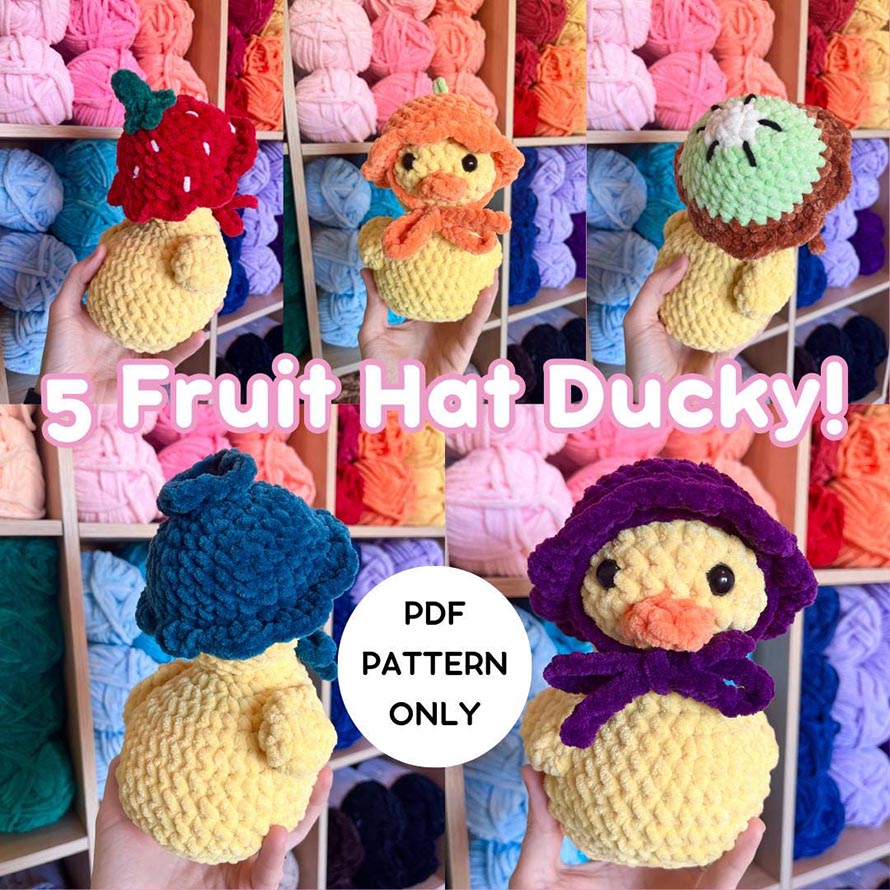
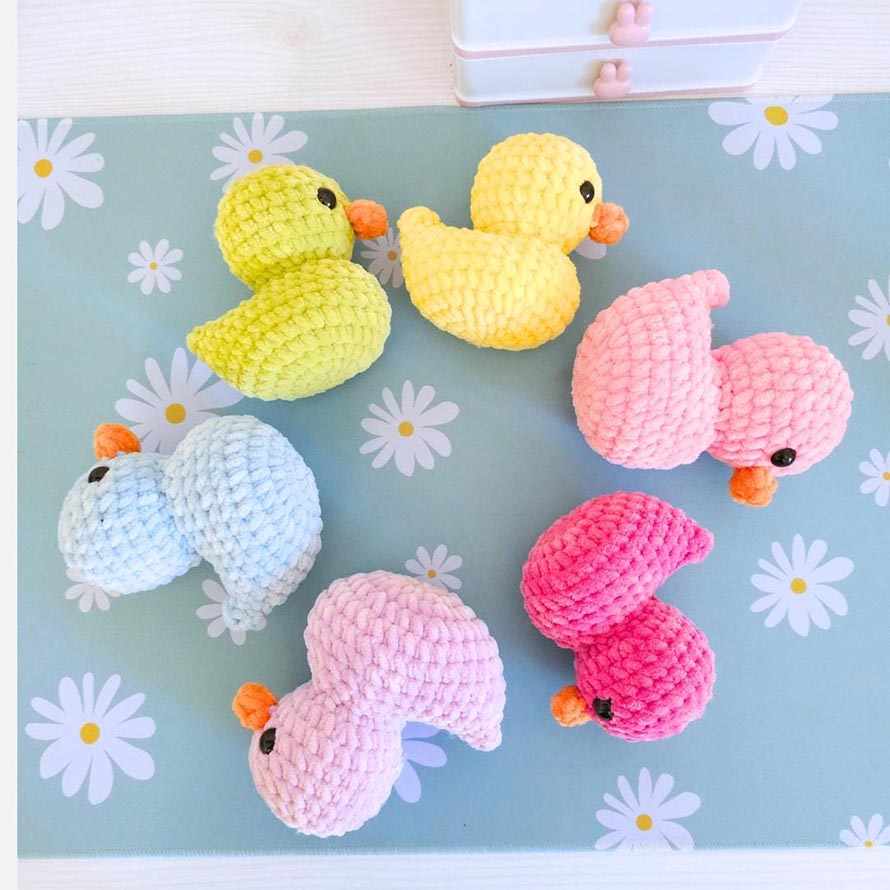
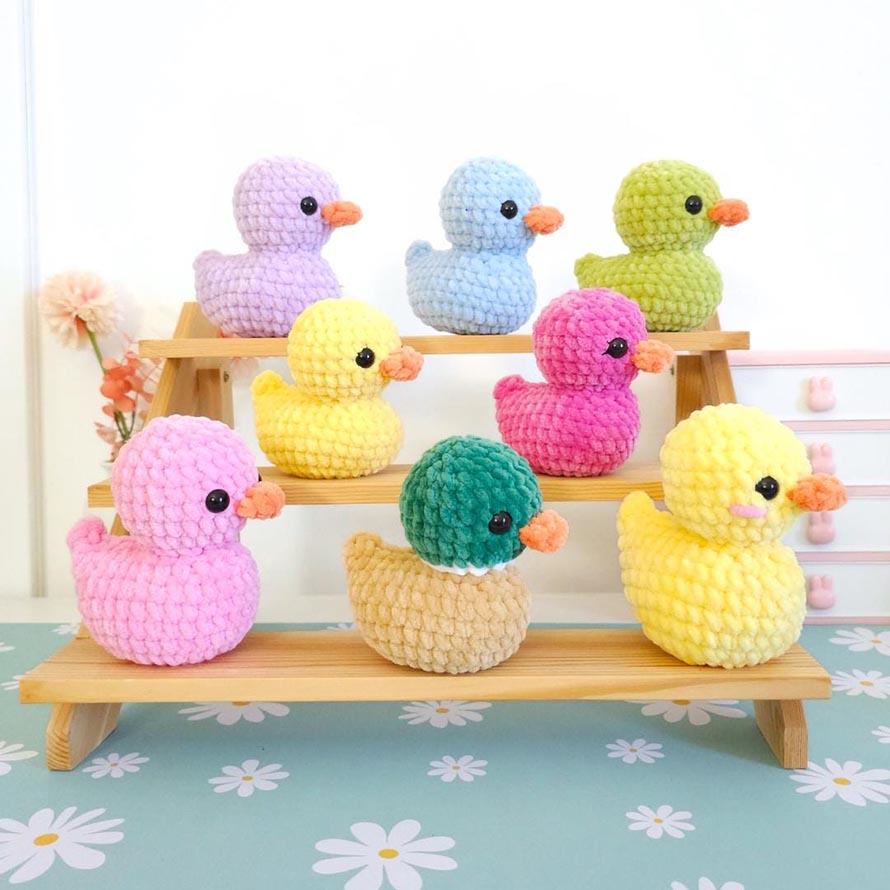
A rubber duck crochet pattern brings the familiar rounded shape, flat bill, and simple expression of a bath-time rubber duck into amigurumi. This collection gathers digital crochet patterns with different proportions, construction styles, and levels of detail, giving you a chance to compare traditional duck shapes with more stylized interpretations before choosing a project.
As a crochet designer and curator, I selected these patterns because rubber ducks are deceptively useful for practicing amigurumi fundamentals. Their simple silhouette still requires careful control of increases, decreases, stuffing, and component placement. The bill, eyes, wings, and body proportions also provide small but important opportunities to develop character through crochet.
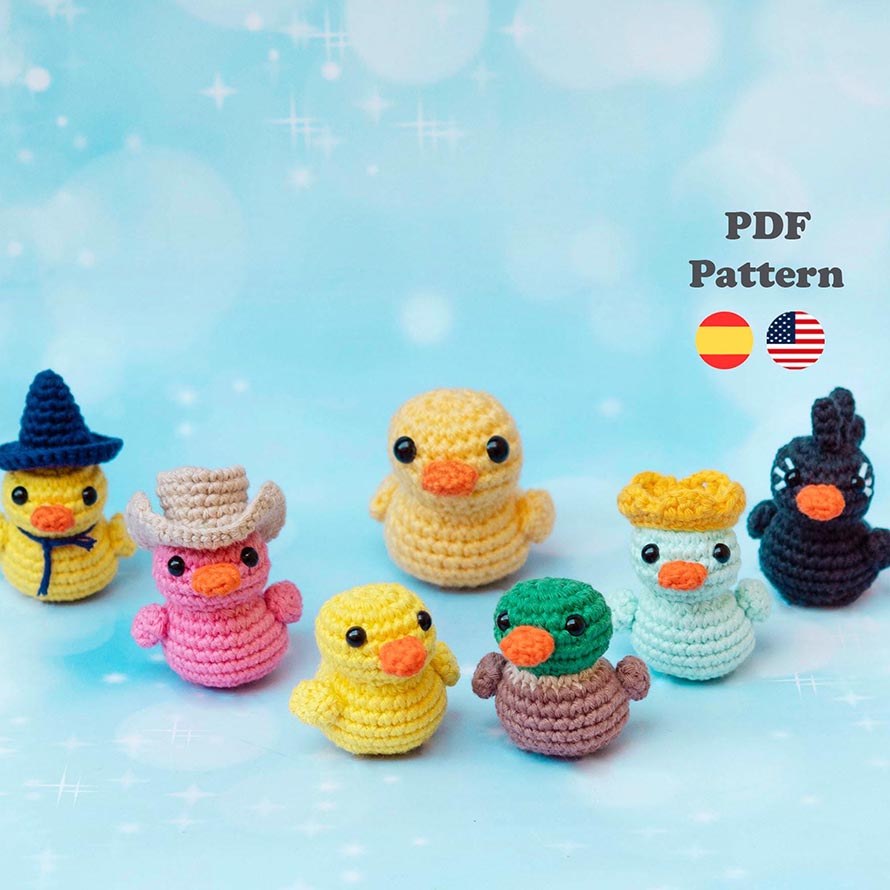
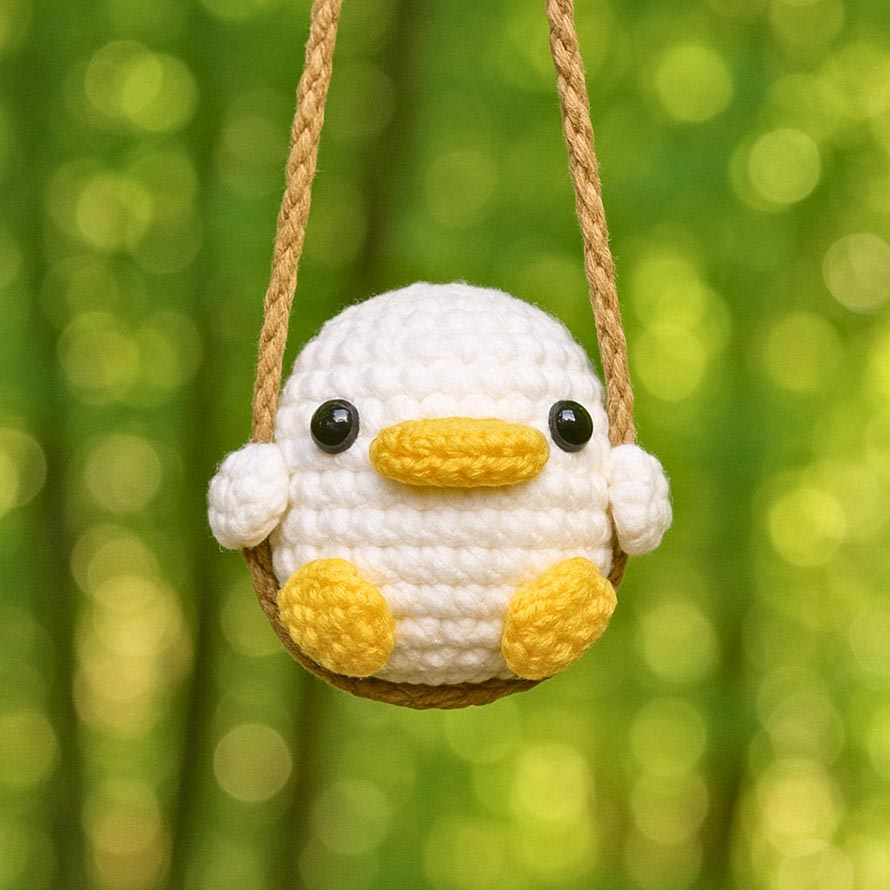
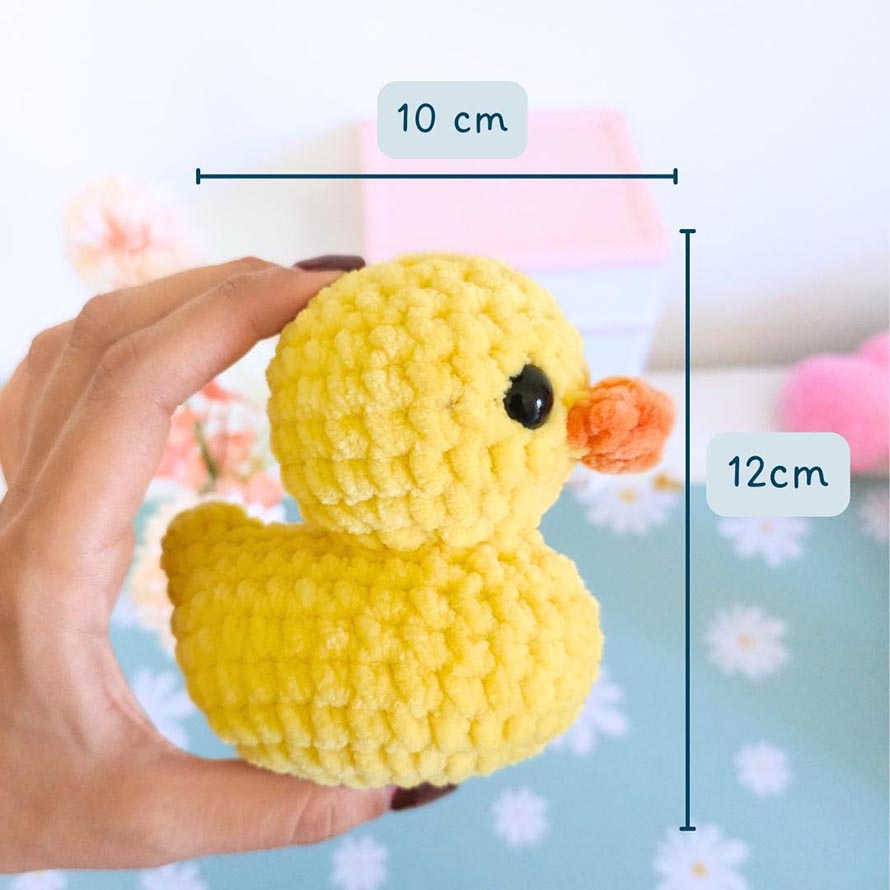
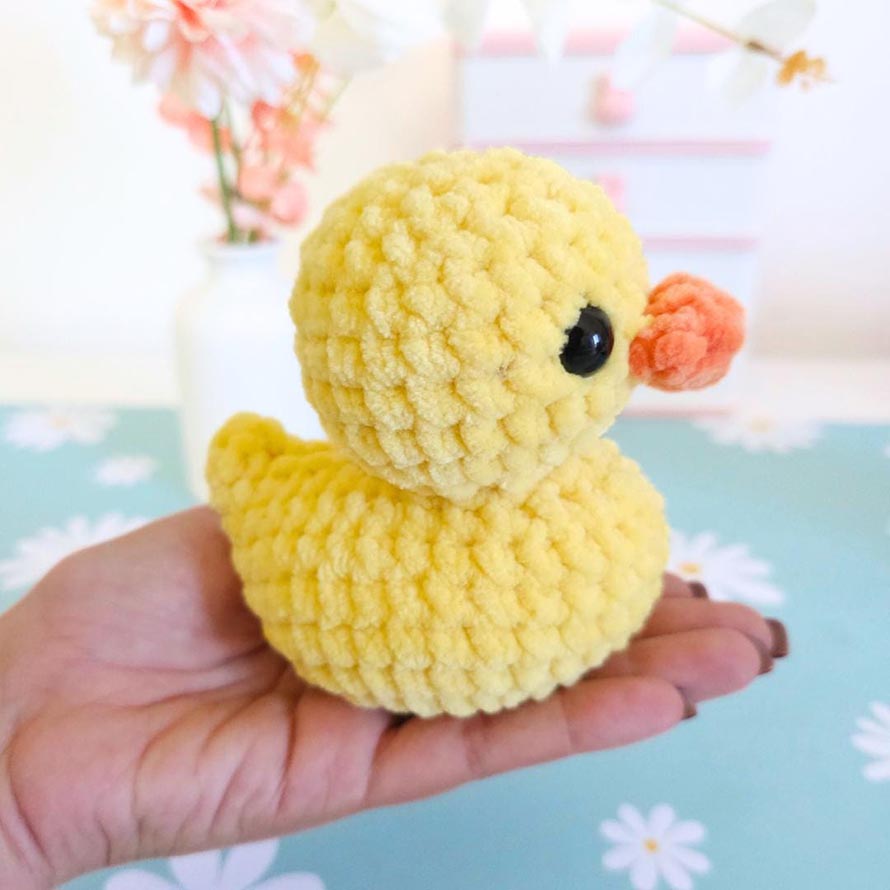
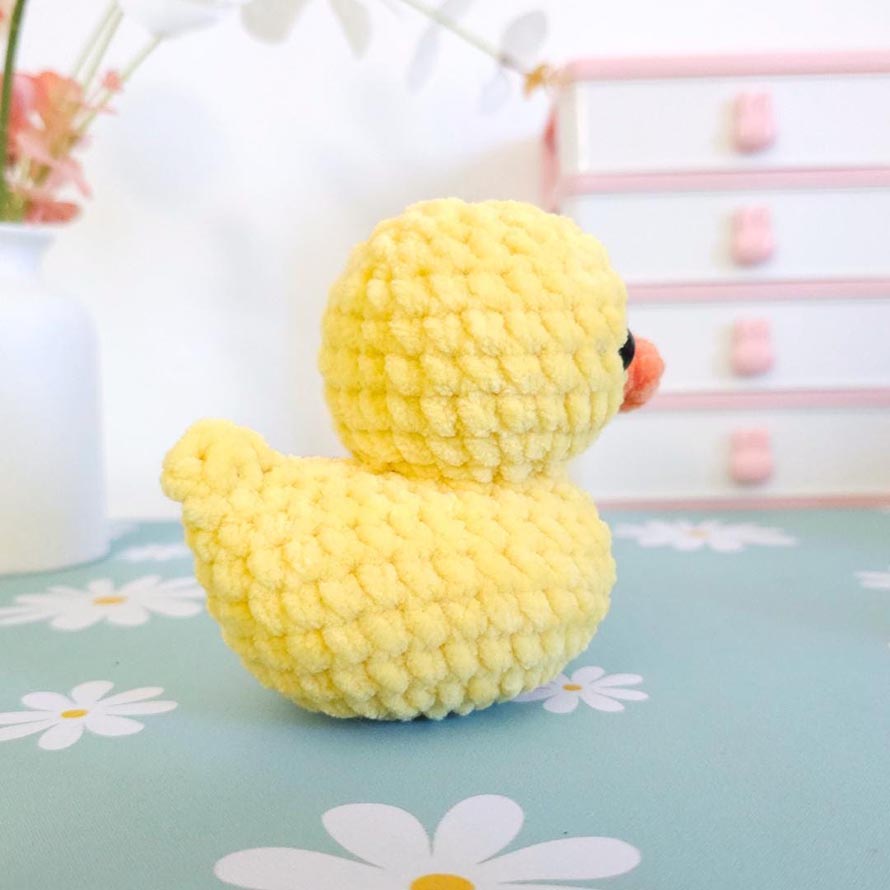
Some patterns emphasize the instantly recognizable classic rubber duck silhouette: a rounded body, compact head, small wings, and a contrasting bill. These designs can be approachable for beginners because the basic body construction is relatively easy to understand, while the finished figure remains visually distinctive.
Other patterns can explore exaggerated proportions or more detailed construction. Larger heads, wider bills, shaped wings, dimensional feet, and carefully embroidered facial details can turn a basic duck into a more character-focused amigurumi. Intermediate and advanced crocheters may enjoy these variations because they involve more precise shaping and assembly.
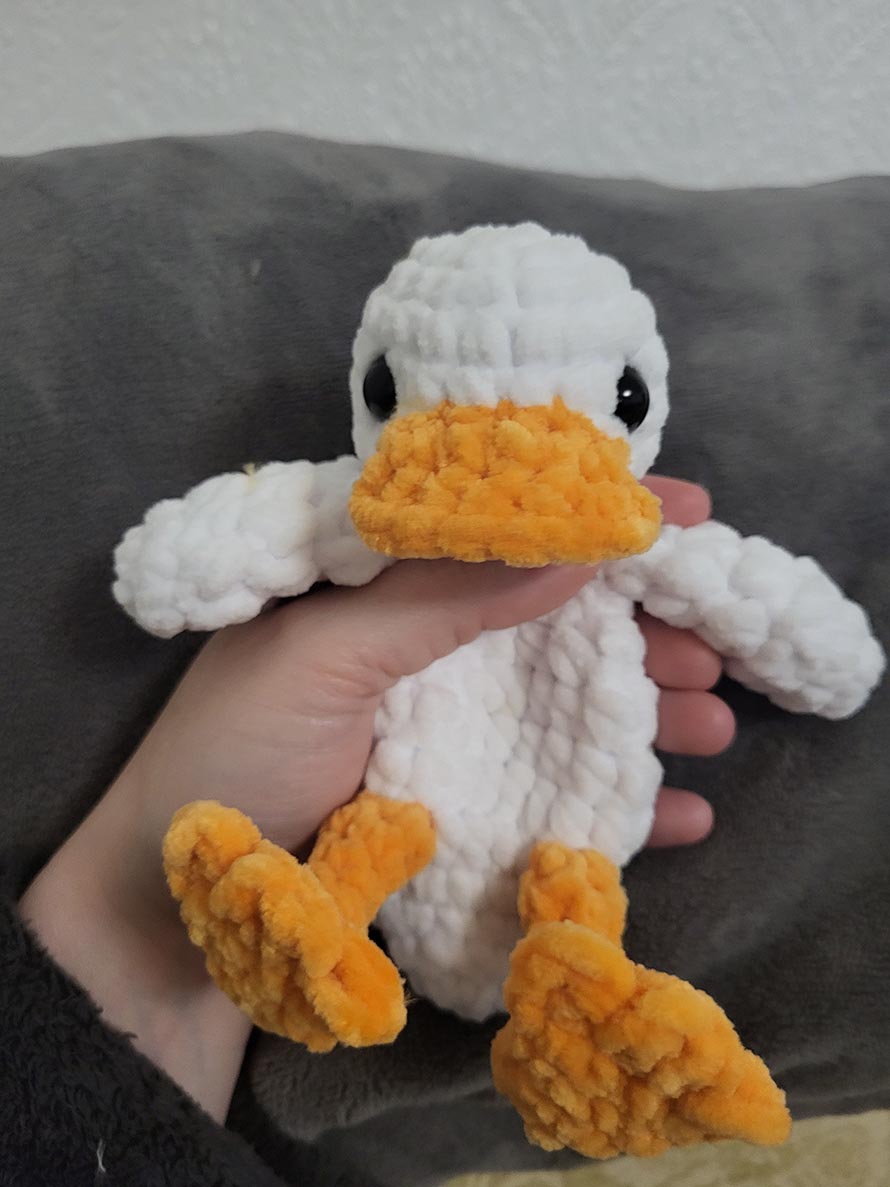
When comparing a crochet rubber duck pattern, pay attention to how the bill is constructed. A separate crocheted bill can create a three-dimensional profile, while an embroidered or surface-applied detail produces a flatter appearance. Its size and placement also influence the expression, making the bill one of the most important visual elements in the finished duck.
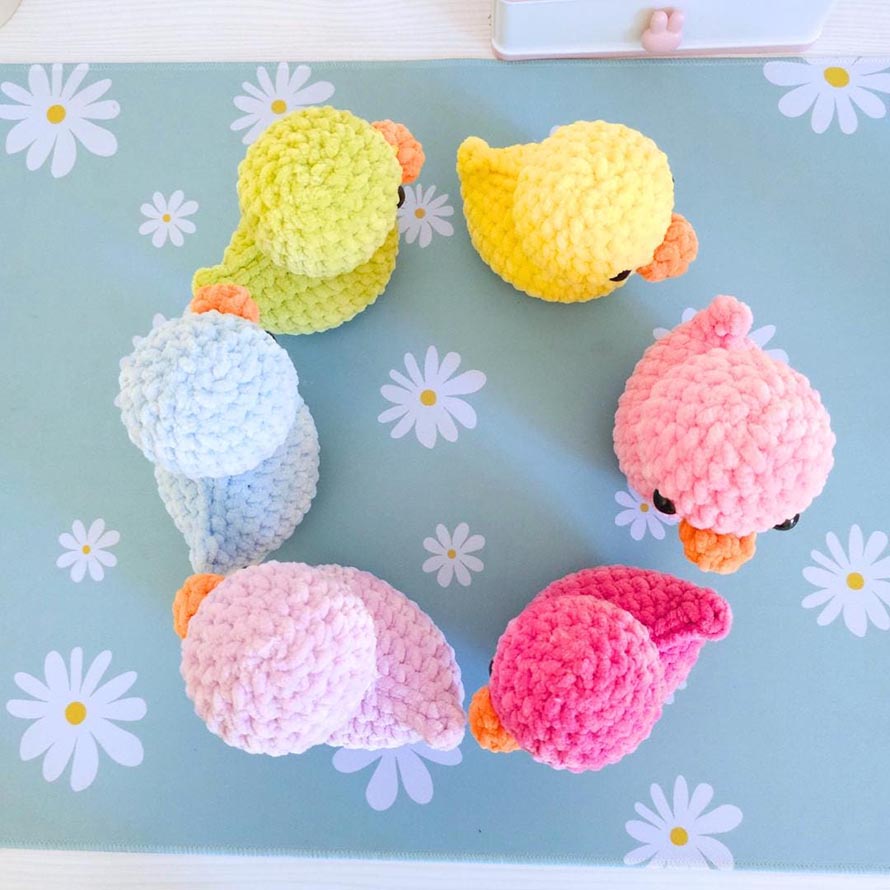
Yellow yarn naturally recreates the familiar rubber duck appearance, but the collection can also inspire experimentation with different shades and contrasting details. A softer yellow creates a traditional look, while brighter or unusual color combinations can give the duck a more contemporary character.
Small additions can further distinguish the designs. Different eye placements, wing shapes, body proportions, and bill colors can make two otherwise similar patterns feel completely different. For crocheters who enjoy amigurumi customization, these details provide useful opportunities to experiment while keeping the recognizable duck silhouette.
Rubber duck projects are also excellent for practicing consistency. Working the body in continuous rounds helps develop even stitch tension, while stuffing requires attention to firmness without distorting the shape. Attaching wings and bills at symmetrical positions teaches another important amigurumi skill: accurate component placement.
Because many duck designs are relatively compact, they can also be practical projects for using small quantities of yellow and orange yarn. A downloadable pattern can therefore become a focused way to practice shaping and assembly without committing to a large project.
This rubber duck crochet pattern selection is for makers who want to turn a familiar bath-time character into a handmade amigurumi figure. Browse the available PDF crochet patterns, compare body shapes, bill construction, facial details, and skill requirements, then choose a downloadable design that fits your experience and preferred crochet style.